The Whispering Crisis: Early Warning Signs of a Heart Attack People Habitually Ignore
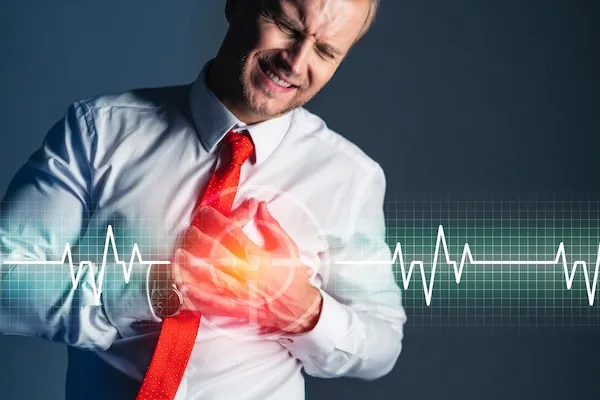
In our collective cultural consciousness, a heart attack is viewed as a sudden, explosive catastrophic event. We are conditioned by dramatic cinematic depictions to look out for the unmistakable, undeniable fina
l act: a person freezes mid-sentence, grips their chest in sheer agony, gasps violently for oxygen, and collapses to the ground. This classic, high-drama presentation is what emergency physicians call an acute presentation, and it demands immediate, split-second intervention.
However, real-world clinical cardiology tells a far more deceptive story. For the vast majority of individuals, a myocardial infarction (heart attack) does not begin with an explosive crash. Instead, it begins with a whisper.
Days, weeks, or even months before an artery becomes completely blocked, the cardiovascular system begins sending out subtle, fleeting, and highly ambiguous distress signals. Because these early warning signs are mild and lack the dramatic punch we expect, they are habitually rationalized away, ignored, or blamed on everyday annoyances. By the time the true crisis unfolds, critical windows for saving heart tissue have been lost. To protect your vascular longevity, we must unmask these quiet warnings and explore the exact biological reasons why they are so dangerous to ignore.
The Master Deception: The Gastrointestinal Illusion
Perhaps the most common and dangerous way an impending heart attack disguises itself is by mimicking a completely benign digestive issue. Millions of people routinely brush off the early stages of a cardiovascular crisis as a simple bout of acid reflux, indigestion, or a bad reaction to a heavy, spicy meal.
This confusion is not a failure of intelligence; it is a direct consequence of how our internal nervous systems are wired. The heart and the stomach share a highly crowded, overlapping highway of nerve pathways—most notably the vagus nerve—that route sensory information back up to the brain. When a coronary artery is slowly narrowing, depriving a section of the heart muscle of optimal oxygen, the heart sends out visceral distress signals. The brain, highly accustomed to processing daily signals from the digestive tract, frequently misinterprets this deeper cardiac pain as a stomach ache, leading to several easily missed sensations:
-
The Persistent Upper Burn: A dull, localized burning sensation right below the breastbone that feels identical to heartburn, but completely fails to respond to antacids or over-the-counter reflux medications.
-
The Sensation of Fullness: An unusual, uncomfortable feeling of pressure or bloating in the upper abdomen, as if a heavy stone is sitting in the stomach, often accompanied by uncharacteristic, hollow belching.
-
The Wave of Unexplained Nausea: A sudden, rolling bout of nausea or mild dizziness that strikes out of the blue, completely unrelated to food intake or gastrointestinal illness, often accompanied by a faint cold sweat.
Traveling Discomfort: The Errant Nerve Signals
Another deeply insidious characteristic of early cardiac distress is its ability to manifest completely outside of the chest cavity. Because the heart itself does not possess a high concentration of localized pain receptors, cardiac ischemia—the suffering of heart tissue from lack of blood flow—often presents as referred pain. The pain radiates along the spinal nerves, showing up in places that seem entirely unrelated to the cardiovascular system:
-
The Transient Jaw and Neck Tightness: A vague, muscular ache or sharp pull that creeps into the lower jaw, teeth, or throat. It is often brushed off as a dental issue, a tight jaw from grinding teeth, or a minor tension headache.
-
The Deep Shoulder Blade Ache: A heavy, crushing, or gnawing discomfort concentrated between the shoulder blades or across the upper back. This is habitually dismissed as poor sleeping posture, a pulled muscle from lifting, or simple stress-induced tension.
-
The Left Arm Heaviness: A subtle numbness, tingling, or deep muscular weakness that travels down the left arm, sometimes radiating into the elbow or wrist, which people frequently mistake for a pinched nerve or carpal tunnel syndrome.
The definitive, life-saving clue that separates this referred pain from a standard musculoskeletal injury is its relationship to physical effort. If that jaw ache or back discomfort flares up consistently when you walk briskly or climb stairs, and fades away completely when you sit down and rest, it is not a muscle strain. It is a textbook warning that your heart is crying out for oxygen under load.
Chronic Extinction: Extreme Fatigue and Breathlessness
In the weeks leading up to an acute cardiovascular event, the heart's overall pumping efficiency begins to drop as its fuel lines become increasingly restricted. The body adapts to this slow energy failure through two subtle, systemic shifts that people routinely attribute to "just getting older" or being overworked.
The first is an overwhelming, uncharacteristic wave of profound exhaustion. This is not the standard tiredness that follows a long day at the office or a poor night of sleep; it is a deep, cellular fatigue that makes simple, everyday tasks feel like monumental physical challenges. Individuals often report feeling completely wiped out after doing a light load of laundry, making the bed, or walking to the mailbox.
The second shift is a fleeting, sudden shortness of breath during routine, low-effort movements. If you suddenly find yourself gasping for air or needing to pause for breath while walking across a flat parking lot or having a conversation—activities that you previously completed effortlessly—your lungs are actively screaming that your heart muscle is too weak to efficiently process and pump blood through your system.
Disarming the Habit of Rationalization
The profound danger of these early warning signs lies entirely in our psychological tendency toward rationalization. When faced with an ambiguous, mild symptom, the human brain is hardwired to pick the most comforting, least threatening explanation. We tell ourselves we are just stressed, that the spicy food from lunch is repeating on us, or that we slept poorly on our shoulder.
However, in the world of cardiovascular health, time is muscle. The moment a coronary artery is completely blocked by a sudden blood clot, the downstream heart tissue begins to die within twenty minutes. By waiting for the "classic," dramatic chest pain before seeking medical emergency care, you allow permanent, irreversible scar tissue to replace your living, pumping heart muscle—drastically reducing your long-term quality of life and paving a direct path toward progressive heart failure.
Reclaiming your vascular security requires moving away from a mindset of panic and stepping into a space of hyper-vigilant, proactive awareness. If you possess major cardiovascular risk factors—such as high blood pressure, elevated cholesterol, a history of smoking, diabetes, or a strong family history of early heart disease—you cannot afford to wait for a dramatic alert.
Listen to the subtle whispers of your body. Treat uncharacteristic, out-of-the-blue bouts of profound fatigue, persistent "heartburn," or traveling jaw aches with the serious clinical respect they deserve. By learning to recognize the quiet, early footprints of a heart attack and seeking rapid medical evaluation before the storm hits, you effectively short-circuit the crisis—shielding the delicate architecture of your heart, preserving your arterial channels, and safeguarding your vitality for decades to come.


.png)