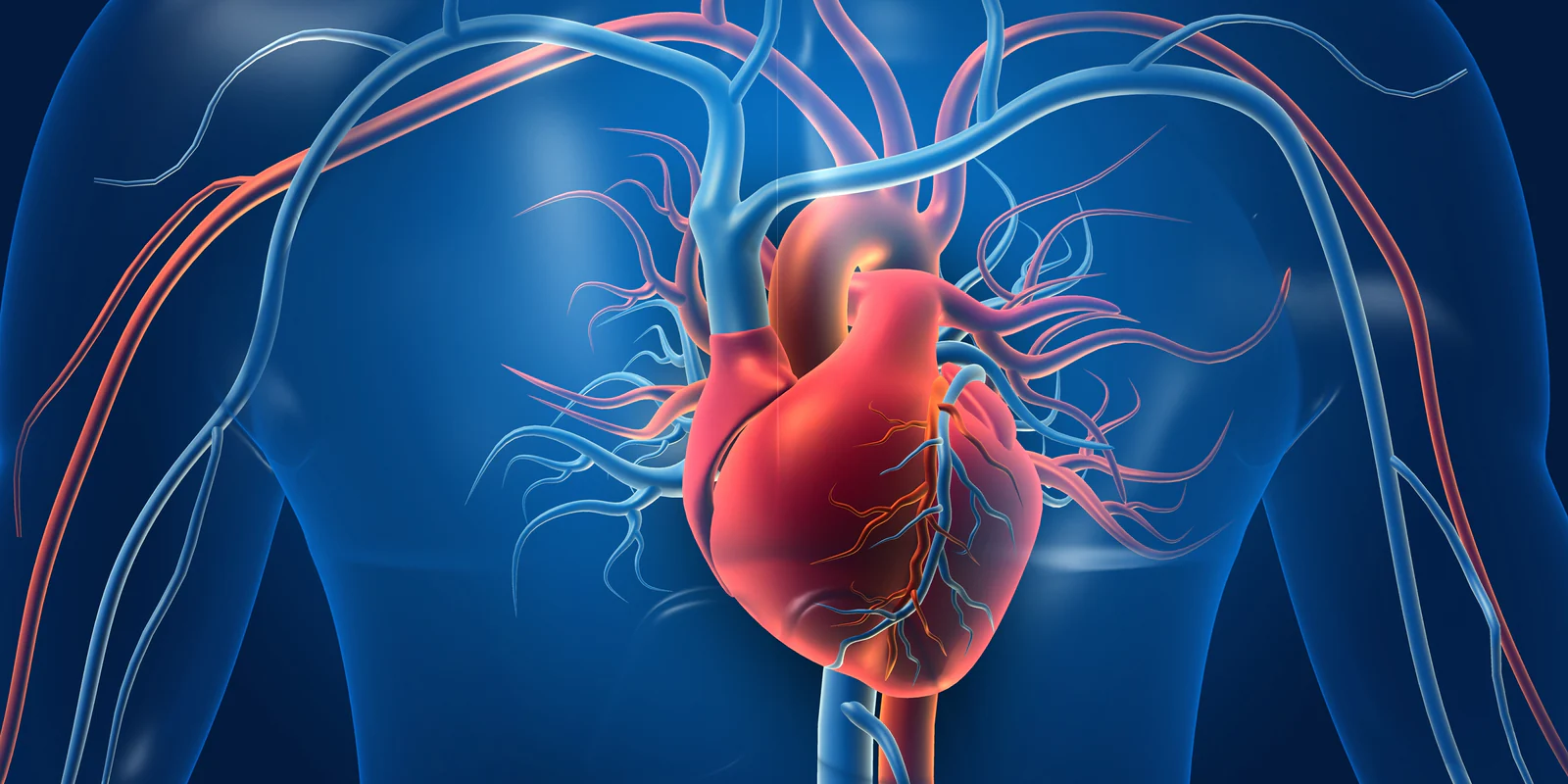
The Liquid Conduit: How Hydration Dictates Real-Time Heart Function
When we map out our daily strategies for cardiovascular longevity, our minds almost instinctively turn toward heavy, effort-driven lifestyle interventions. We plan intense aerobic workouts, design low-sodium nutrition templates, track our lipid percentages, and debate the merits of specific supplements. Yet, science reveals that one of the most immediate, powerful, and universally overlooked regulators of real-time cardiac performance comes down to a deceptively simple, passive habit: your daily intake of pure water.
The human body is an inherently aquatic system, with water making up roughly 60 percent of our total mass and up to 90 percent of our blood volume. Water is not merely a passive fluid meant to fill our cells; it operates as the primary mechanical and chemical conduit through which the entire cardiovascular system moves.
When your hydration levels are optimal, your blood slides effortlessly through elastic vessels, and your heart pumps with maximum structural efficiency. However, when hydration drops—even by a microscopic margin—it triggers a rapid cascade of vascular friction, hormonal stress, and muscular fatigue. To understand how water intake dictates heart function, we must peel back the layers of vascular biology to explore the precise mechanics of fluid dynamics within the human pump.
Fluid Dynamics: The Viscosity Nightmare of Dehydration
To understand the impact of hydration on the heart, we must first look at the physics of blood flow. Blood is a dynamic mixture of solid cells—such as red blood cells, white blood cells, and platelets—suspended in a liquid matrix called plasma. Plasma is roughly 92 percent water.
When you fail to drink enough water throughout the day, or lose fluids through sweat without replacing them, your body draws water directly out of the bloodstream to protect other vital organs. This fluid drain causes plasma volume to drop sharply, leading to a dangerous state of hemoconcentration.
Without adequate water, your blood becomes thick, sluggish, and highly viscous—metaphorically turning from smooth, flowing water into a sticky, dense syrup. This spike in blood viscosity introduces an immediate, multi-pronged assault on your cardiovascular pipelines:
-
The Upstream Workload: Thicker blood is inherently harder to move. The heart is forced to contract with vastly more muscular power and physical force to push this viscous fluid through the vascular network, placing an intense, artificial strain on the muscle fibers of the left ventricle.
-
The Friction Spike: As sticky, concentrated blood drags against the smooth, delicate inner lining of the arteries—the endothelium—it creates a high-friction state known as shear stress. This chronic mechanical friction creates microscopic tears and abrasions across the endothelial wall.
-
The Plaque Invitation: These microscopic wounds turn the artery walls highly inflamed and sticky, creating the absolute perfect environment for circulating low-density lipoprotein (LDL) cholesterol to slip through the cracks, oxidize, and begin building dangerous atherosclerotic plaques.
The Hormonal Chain Reaction: Vasoconstriction and Pressure Spikes
The human body is equipped with sophisticated survival mechanisms designed to prevent a drop in blood volume from causing a total systemic collapse. When specialized receptors in your blood vessels detect that plasma volume is falling due to poor hydration, they send immediate distress signals to the brain, triggering a powerful, defensive hormonal chain reaction.
To achieve this, vasopressin travels through the bloodstream and binds directly to receptors on the smooth muscles surrounding your arteries, signaling them to contract sharply. This process, known as vasoconstriction, instantly narrows the diameter of your blood vessels.
While this narrowing successfully keeps your blood pressure from bottoming out in an emergency, it introduces a dangerous long-term paradox. Chronic, mild dehydration keeps vasopressin levels permanently elevated, locking your arteries into a stiff, constricted state. This systemic restriction forces your resting blood pressure to rise chronically, accelerating the mechanical wear and tear on your heart muscle and forcing it to run at a permanently elevated baseline of stress.
Compensation Overdrive: Heart Rate and Stroke Volume
Because dehydration reduces total circulating blood volume, every single contraction of the heart moves a significantly smaller amount of blood than it would in a fully hydrated state. This means your stroke volume—the amount of blood ejected by the left ventricle with each individual beat—takes a massive hit.
However, the brain still requires a fixed, non-negotiable supply of oxygen and nutrients to maintain consciousness and keep you alive. To compensate for the drop in stroke volume, the autonomic nervous system is forced to step on the heart’s gas pedal. The body increases its heart rate, forcing the vital pump to beat significantly faster just to maintain baseline daily circulation.
If you are chronically dehydrated, this compensation overdrive means your heart is running an exhausting, unseen marathon every single day. A routine activity like walking up a flight of stairs or moving boxes, which should cause a modest, healthy rise in pulse, can cause your heart rate to spike erratically into an overstressed zone. This constant cardiovascular acceleration denies the heart muscle its natural, restorative periods of rest between beats, accelerating cellular fatigue and lowering your physical exercise tolerance.
The Electrical Grid: Electrolytes and Rhythm Stability
Beyond the mechanical plumbing and hormonal pathways, hydration status directly dictates the integrity of the heart’s delicate internal electrical grid. The heart relies on a highly coordinated sequence of electrical impulses to tell its muscular chambers exactly when to contract and relax. This electrical current is generated entirely by the rapid movement of minerals—specifically sodium, potassium, magnesium, and calcium—across the membranes of your heart cells.
Water is the essential solvent that keeps these vital electrolytes perfectly balanced and diluted within the blood. When your hydration patterns become erratic, this delicate mineral balance is thrown into chaos:
-
The Electrolyte Shift: Severe dehydration or rapid fluid loss can cause circulating electrolyte levels to become dangerously concentrated or rapidly depleted, disrupting the precise millivolt charges needed to trigger a uniform heartbeat wave.
-
The Arrhythmia Trigger: This electrical instability can short-circuit the heart's natural pacemaker, leading to a sudden flare-up of irregular heart rhythms, ranging from benign but unsettling palpitations to highly dangerous arrhythmias like Atrial Fibrillation (AFib).
-
The Clotting Flashpoint: When electrical instability combines with the hyper-viscous, sticky blood of a dehydrated state, blood can pool in the quivering chambers of the heart, drastically increasing the real-time risk of a sudden blood clot traveling straight to the brain to cause a ischemic stroke.
Hydrating for Vascular Longevity
The extraordinary, systemic impact of hydration on cardiovascular performance delivers a powerful, non-negotiable message for preventive medicine: drinking water is not merely a casual remedy for thirst; it is a fundamental, non-pharmacological form of vascular defense. Protecting your heart requires treating hydration as an intentional, calculated daily investment in your long-term health.
Reclaiming your fluid balance does not require obsessive, overwhelming calculations or chugging massive amounts of water in a single sitting, which can actually dilute your electrolytes dangerously. Instead, focus on a consistent, mindful baseline of hydration. Aim to consume clean, pure water steadily throughout the day, ensuring your intake scales up naturally during periods of physical exercise or high environmental heat.
Pay close attention to your body’s subtle, early distress signals—such as a dry mouth, a creeping midday headache, a elevated resting pulse, or dark, concentrated urine—which indicate your vascular pipelines are already under strain. By intentionally choosing to keep your system clean, fluid, and perfectly hydrated, you extinguish the hidden mechanical and hormonal stress within your blood vessels—ensuring your blood slides smoothly, your heart pumps effortlessly, and your vitality thrives for a long and vibrant life.