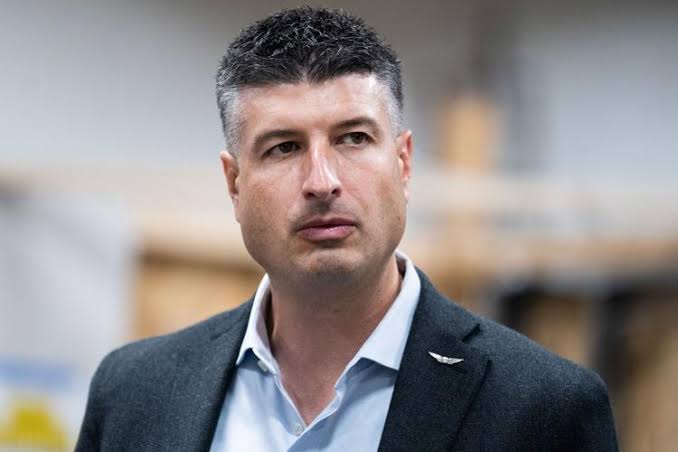
In late July, GOP Representative Tom Barrett cast his third vote to restrict President Donald Trump's authority to wage war on Iran. Barrett was trying to push for a harsh criticism of the president that would only be approved by members of his own party.
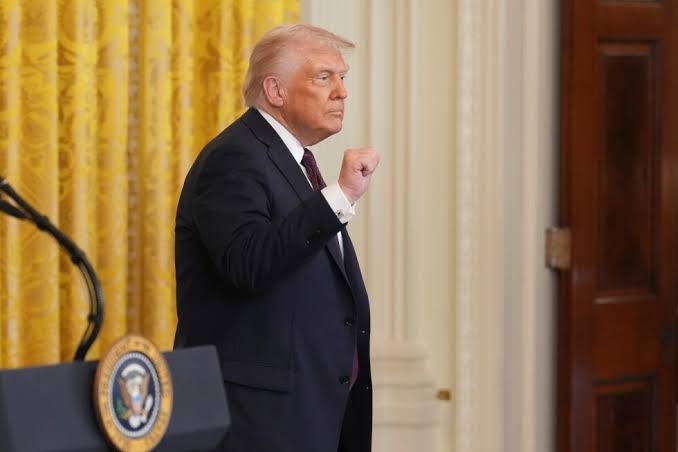
Four days later, however, Barrett was standing by Trump's side at a rally in his own Michigan battleground district, enjoying the president's support and responding with compliments.
"He will have a difficult race. Trump brought the Republican legislator to the stage and said, "You have to assist him."
Barrett answered, "I'm proud to stand with you today."
Barrett and Trump's union, according to Republican operatives, is a marriage of political convenience: Trump, who seldom concedes to anybody who challenges him, has given Barrett exceptional freedom to choose his own path, even as he works to block the president's battle with Iran. Trump is aware that suburban districts like Barrett's are essential to preserving the GOP's majority in the House.
Even though his stance puts him at odds with the president and a large portion of his party, Barrett is leaning into his military experience as he attempts to protect one of the most competitive seats in the nation. Barrett's ability to balance drawing differences with the president without losing his support—a difficult task in Trump's Republican Party—will probably determine the outcome of the campaign. In 2024, Barrett overthrew Democratic control of the seat, and Trump won the district.
Only four Republicans voted against the Trump administration's approval of military operations in Iran, including Barrett, a 22-year Army veteran who fought in Iraq and Guantánamo Bay. Barrett was the only Republican to propose a bill authorizing the use of military force in Iran while restricting the scope of military action and establishing a strict deadline for ending the conflict after the conflict surpassed the 60-day threshold requiring congressional approval under the War Powers Resolution.
Barrett was thinking about his comrade who died in Iraq and is buried three miles away at Arlington National Cemetery when he voted to limit Trump's war powers in Iran.
"I'm troubled about that. And I am greatly affected by those consequences of war. Many of my pals did not return home. "Many of my friends had difficulties after returning home," Barrett said to CNN.
Barrett sidestepped the subject by saying, "You can ask the president that question," when asked what he would say to a president who feels that Congress has the authority to approve the current conflict with Iran.
Barrett was present when Trump justified his strategy for the war during his speech on Monday in Michigan.
"When someone asks, 'Why are we doing this?' Simply state, "Because we cannot allow them to possess a nuclear weapon." It's really easy," Trump remarked.
However, the Republican from Michigan believes that advocating for Congress to make its own decisions about how to manage the war is not political, and he is not under any pressure to vote differently.
Barrett declared, "This is a vote of conscience for me."
GOP officials think Barrett's strategy of finding ways to cooperate with the president while still criticizing Trump over Iran will benefit them. GOP insiders claim that since the public has become disenchanted with the war effort, Barrett confronting the Iran war head-on neutralizes any potential attack from his Democratic opponents.
One GOP strategist told CNN, "I think this is really good for him to show that he's bipartisan and can push back on the things that are really important for him in his district." "I believe it's a welcome change of pace for voters."
"He is known as a military guy, and I think that context on this issue means he can speak as a voice of authority, and it comes off as a genuine reaction of him doing what he thinks is best for the military, the country," another Republican operative said, pointing out that Barrett has a helicopter to indicate his military experience on all of his campaign branding.
This tactic takes into account the votes of Barrett's supporters, such as Jason Peterson, who served with him and is a member of his veterans' advisory group. Although Peterson believes the war is unnecessary, he notes that the congressman has discussed the challenges of gaining support inside the Republican Party for the War Powers vote.
"The fight shouldn't have begun at all. I wonder about it myself. Peterson remarked, "I've served my country and been in uniform for more than 20 years." "Servicemembers who are currently or soon to be in Iran are being put in danger for nefarious reasons. I don't think there have been many explanations for why.
Peterson was a member of a group of veterans that Barrett arranged to meet with Veterans Affairs Secretary Doug Collins. This meeting allowed participants to address questions and discuss ways to make the organization better.
His district, which encompasses Lansing, the state capital of Michigan, has a track record of elected officials who draw heavily from their background in public service. Former CIA analyst Elissa Slotkin, a Democrat who served three tours in Iraq, served as the district's representative for six years. Additionally, two of Barrett's most prominent Democratic rivals had military experience. Bridget Brink was a US foreign service officer who worked under five presidents from both parties, and Matt Maasdam was a Navy SEAL who served in the Middle East and the Pacific.
Maasdam, a former military advisor to former President Barack Obama who was in charge of carrying the nuclear codes, believes that Barrett is changing course too little, too late because it took him months to vote with a small group of colleagues to limit Trump's war powers.
Barrett is more knowledgeable. He served in the armed forces. When he gave Trump the give-ahead to go to war the first two times, he knew what it meant, Maasdam added. "He doesn't truly believe what he's doing; he's doing it for political reasons."
Additionally, even though Barrett has attempted to clarify his own stance on the Iran war, Maasdam intends to tie Barrett to Trump if he gets the Democratic nominee on Tuesday.
"Democrats get really excited about him being out there with Trump," Maasdam remarked.
However, Barrett is determined to find a middle ground, even if it means doing it alone, in part because he is aware that his constituents have differing opinions about the war effort.
"There is undoubtedly division among people," he stated.
Barrett is wagering that voters would view his split with Trump as a conviction stemming from his military service rather than as betrayal. Barrett's political future may hinge on whether people think he can support the president while simultaneously opposing him in an area that both Trump and Barrett won two years ago.