According to Trump officials, the proposed rule will boost Head Start. Critics claim they will gut it.
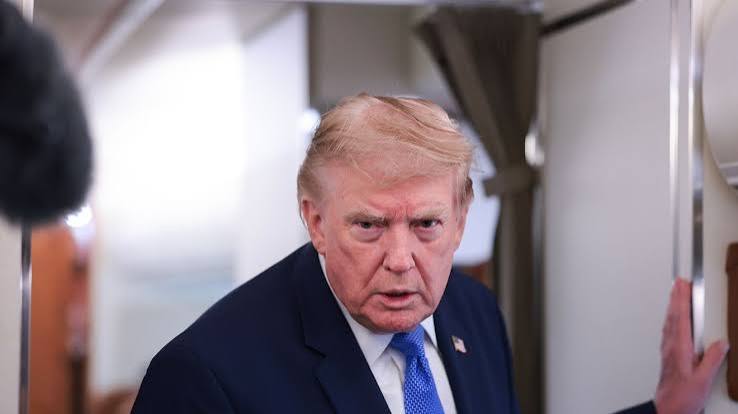
Wide-ranging and contentious proposed changes to the Head Start program, which offers early education and health services to hundreds of thousands of low-income children, were announced by the Trump administration on Thursday.
The proposed rule, according to administration officials, would replace many of the federal regulations governing the program with state standards. They claim that this would strengthen the program by allowing providers greater flexibility, increase the number of available slots by up to 236,000, and save $2.2 billion a year that would be reinvested in Head Start.
However, detractors warn that the endeavor could harm the program in a number of ways, especially since state rules for health and safety and early childhood education are frequently lax.
During President Donald Trump's second term, Head Start has experienced turbulent times.
The program, which has assisted almost 40 million children and their families since 1965, would no longer get government support, according to a draft White House budget. Supporters highlighted numerous concerns about the decision, pointing out that the conservative Heritage Foundation's huge policy playbook, Project 2025, called for the abolition of Head Start.
In the end, Trump asked for practically flat funding for the program, which gets over $12 billion a year.
Additionally, during the federal government shutdown last fall and following the Trump administration's order to freeze all federal funds soon after the president took office in January 2025, several providers had a brief loss of access to their funding.
Greater adaptability
According to the Department of Health and Human Services, the rule attempts to provide providers greater freedom and control by requiring them to comply with state rules governing class sizes, staffing ratios, education requirements, background checks, and other activities.
Alex Adams, the head of HHS's Administration for Children and Families, told reporters, "We built this rule around trusting local leaders to make the decisions that are best for their local communities." "Federal mandates can undoubtedly impede local decision-making, increase expenses, and restrict the program's scope."
In line with the aims of HHS Secretary Robert F. Kennedy Jr., it would include new criteria for physical activity and nutrition.
Notably, it would also reduce the administrative expense cap from 15% to 5%.
The Head Start Act's structure for comprehensive programs, eligibility, parental involvement, and civil rights safeguards would all be preserved under the proposed rule, according to Adams. Additionally, it would continue to mandate that the program prioritize school preparation and healthy development while concentrating on families with the highest need.
However, detractors caution that the program's efficacy will be harmed by the fact that many states have laxer early development regulations.
For example, according to a research last month by Aaron Loewenberg, senior policy analyst at the left-leaning New America, numerous states have staffing ratios that are significantly higher than Head Start's mandate, which may result in children receiving less individualized care. Additionally, the majority of states have different standards for family support, eye and hearing evaluations, and health exams.
He stated, "This upcoming proposed rule seems designed to hollow out the program from within, leaving the Head Start name intact while gutting the federal standards that have long defined its quality and scope."