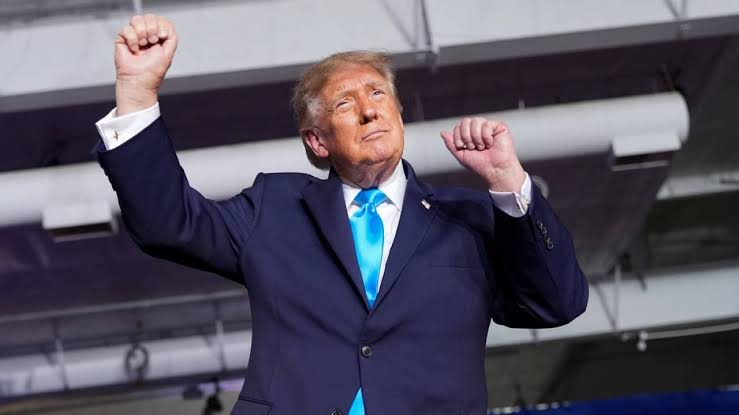
US President Donald Trump’s plan to bring Russian diesel into American markets has drawn criticism from both Republican and Democratic lawmakers. The senators argue that the move could conflict with federal restrictions introduced after Russia’s invasion of Ukraine and undermine efforts to limit Moscow’s energy revenues.
The dispute began after Trump announced on Friday that Russian President Vladimir Putin had agreed to supply diesel to global energy markets. The administration says the arrangement could help address high fuel prices, but critics have questioned its legality, economic value and potential impact on US policy toward Russia.
Senators Urge Trump to Reverse the Decision
On Sunday, a bipartisan group of seven senators, including four Republicans, called on the Trump administration to abandon its plan to allow Russian diesel imports.
The lawmakers argued that Congress had prohibited Russian energy imports in 2022 to prevent revenue from those sales from helping finance Russia’s war against Ukraine. They also said the administration had failed to consult Congress or provide the required justification for its decision.
The senators urged the government to reverse course, warning that purchases of Russian energy could provide financial benefits to Moscow while the war continues.
The Republican signatories included Thom Tillis, Susan Collins, Lisa Murkowski and John Curtis. Their participation highlights disagreements within the Republican Party over the administration’s approach to Russian energy supplies.
What Did Trump Announce About Russian Diesel?
Trump said in a social media post on Friday that Putin had agreed to supply more than 300,000 tonnes of diesel immediately. He also announced a further 500,000 tonnes for November.
The announcement came as the administration sought ways to address rising fuel costs in the United States ahead of the November midterm elections.
However, questions remain about whether Russia can deliver the quantities Trump announced and whether additional supplies would significantly reduce prices. Energy market analysts have suggested that the proposed volumes may have only a limited effect on global diesel markets.
The practical impact will depend on the amount delivered, market conditions and how the additional fuel reaches buyers.
Lawmakers Raise Legal and Foreign Policy Concerns
The criticism centres on the relationship between the proposed imports and US restrictions on Russian energy.
Congress introduced a ban on Russian energy imports in 2022 following the invasion of Ukraine. Lawmakers opposing the latest arrangement say allowing Russian diesel into the US market would conflict with the purpose of those restrictions.
Tillis warned that the decision could weaken efforts to pressure Moscow to end the war. He also argued that the agreement could undermine the work of the late Senator Lindsey Graham, who helped advance legislation aimed at increasing pressure on countries purchasing Russian oil and gas.
The disagreement is not limited to the immediate diesel arrangement. It also raises questions about how the administration intends to apply sanctions and other economic measures while pursuing negotiations with Russia.
Whether the proposed imports violate federal law remains a matter of legal dispute, with senators questioning the administration’s compliance and officials defending its authority to act.
White House Defends the Deal
Treasury Secretary Scott Bessent defended the administration’s decision, saying the government was acting within its legal authority and working to address the needs of Americans.
Bessent argued that reducing energy costs was a priority and criticised European countries that continue to rely on Russian energy.
Senate Majority Whip John Barrasso also defended the president’s approach. He said Trump was balancing the need to lower fuel prices with broader foreign policy objectives and described the sanctions legislation as a potential source of leverage in negotiations with Putin.
The administration’s position is that additional fuel supplies could benefit consumers. Critics, however, question whether the proposed volumes would make a meaningful difference to prices.
Republican Lawmaker Plans Legislative Challenge
The dispute is also moving toward Congress. Representative Brian Fitzpatrick has announced plans to introduce legislation intended to block purchases of Russian oil.
Fitzpatrick said he would seek to bring the measure to a House vote through a discharge petition. This procedure can force consideration of a bill if it receives the required signatures from a majority of House members.
The proposed legislation, called the Ronald Reagan Peace Through Strength Act, could provide lawmakers with another way to challenge the administration’s approach to Russian energy imports.
Its progress will depend on whether Fitzpatrick can secure enough support to bring the measure to the floor.
What Happens Next?
The diesel deal has opened a debate over energy prices, sanctions enforcement and US policy toward Russia. The administration maintains that increasing fuel supplies could benefit Americans, while critics argue that the arrangement risks weakening restrictions designed to pressure Moscow over the war in Ukraine.
The immediate questions are whether the announced fuel shipments will proceed, how the administration will address lawmakers’ legal objections and whether Congress will take further action.
The outcome could affect both the enforcement of US energy restrictions and the wider debate over how Washington balances domestic fuel costs with its foreign policy commitments.